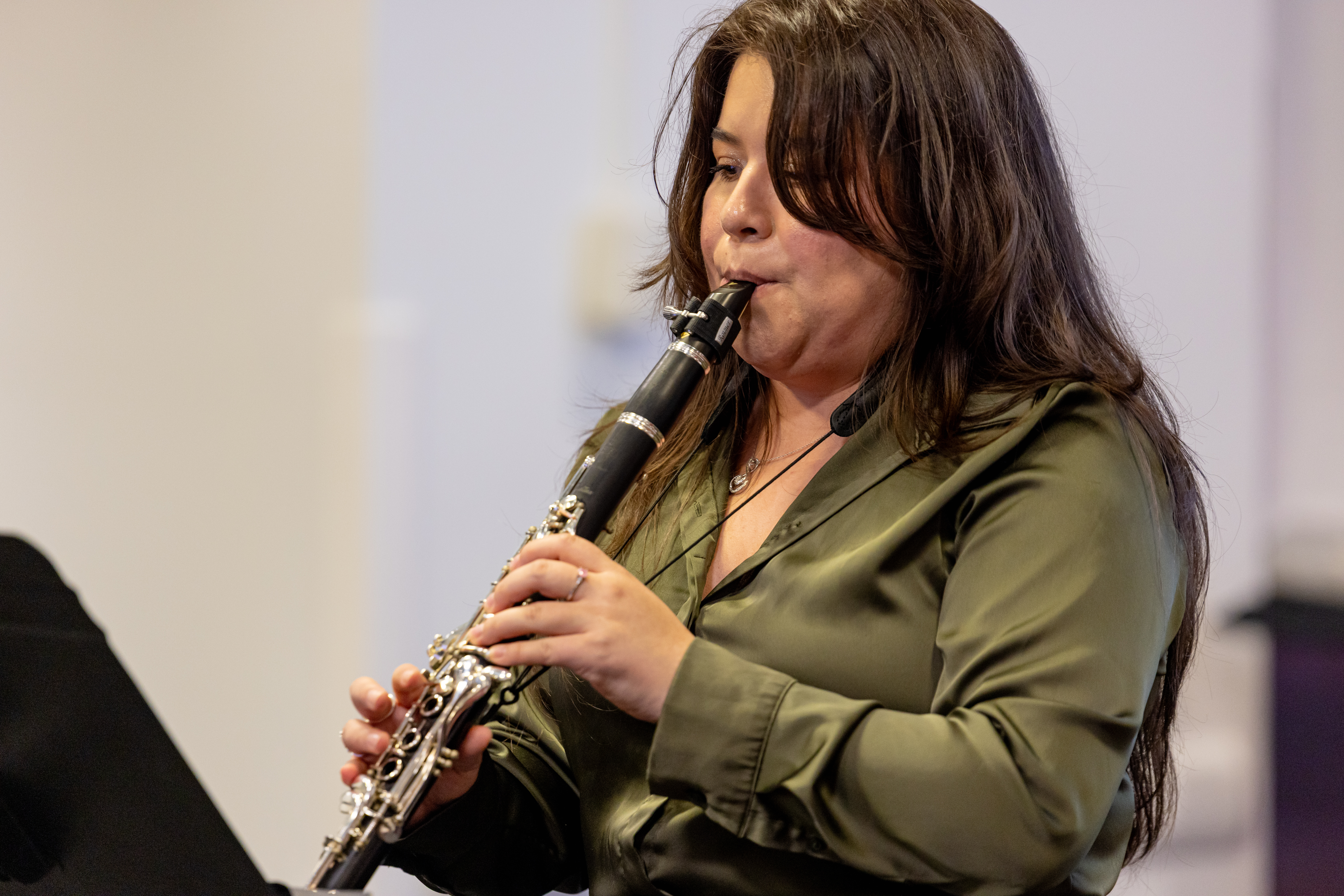
When thinking about developing on the clarinet, or any instrument for that matter, it’s not simply the duration of practice time, but the quality of practice time. Thoughtful, efficient practice will result in growth, better fundamentals, and greater confidence in performance situations. One of the best ways to maintain focus and intention is to use a practice schedule.
Whether you are preparing for an audition, recital, or simply want to create consistency, establishing a clear practice plan can help keep you motivated, organized, and accountable.
Why Plan Your Practice?
Planning your practice:
- Helps eliminate wasted time and mindless repetition
- Helps you keep track of progress and set clear goals
- Increases balance between fundamentals, technique, and repertoire
- Creates self-discipline and focus
- Encourages reflection and problem solving
Basic Practice Session Structure
An effective daily practice session can vary based on your level and goals. For the sake of this outline, a practice session can be anywhere from 30 minutes to a few hours. An effective practice session may look something like this:
- Warm-Up (20-30 minutes)
- Long tones, scales, articulation exercises
- Focus on breath, embouchure, finger fluidity, and tone quality
- Technical Work (20-30 minutes)
- Etudes, velocity studies, intervals, alternate fingerings
- Use a metronome and vary rhythms/articulations
- Repertoire (30-45 minutes)
- Break large works into sections
- Isolate problem spots before running entire movements
- Practice transitions, entrances, and interpretive choices
- Reflection & Review (5 minutes)
- What improved today?
- What still needs work tomorrow?
- Write notes in practice journal
These numbers are an estimate and should vary according to your personal goals. I also recommend planning out breaks within long sessions, in order to prevent mental fatigue and injuries. I recommend practicing for two-45 minute sessions, with a 15 minute break between. If you do this twice a day, that is easily 3 hours of practicing accomplished.
Tips for Efficient Practice
- Goals Before You Begin: Instead of “I’ll work on this concerto,” try “I want to fix the transition into measure 42 and create a smoother phrase at measure 47.”
- Use a Timer: To help keep you on track and reduce the chance of getting fixated on one thing.
- Isolate Problems: Loop small sections instead of always starting at the beginning.
- Record Yourself: Record yourself often to help develop critical listening. The way we hear ourselves while we play isn’t always what everyone else hears.
- Change Up When You Get Stuck: Don’t force it, come back with fresh ears.
- Celebrate the Little Victories: Mastering a transition, improving tone in a phrase, or fixing articulation on one tough passage are all victories.
Practice Journal Templates
To help structure your sessions, I have included links to a few printable practice journal templates you can use:
You are welcome to alter, look up, or construct your own template that fits into your routine. Whether you prefer bullet points and checks or want to just write whatever comes to mind, it is important to be intentional and honest with yourself about your efforts and your growth.
Final Thoughts
Practicing efficiently doesn’t mean rushing, it means working with purpose. With a clear plan, every session becomes a step forward, no matter how big or small. The more you reflect, structure, and engage, the more your artistry will flourish!
 Marie Gallardo, clarinet
Leave a comment